Free Nest Removal
Safe, live collection of wasps, hornets & yellowjackets in Mid-Michigan.
Free Hornet, Wasp & Yellowjacket Nest Removal in the Mid-Michigan Area
We are not your average exterminators!
Buzz Wranglers specializes in the FREE removal of live, UNSPRAYED hornet, yellowjacket, honeybee & wasp nests without the use of chemicals!
We remove exposed “paper ball” type nests as well as concealed or in-ground nesting species. The insects collected are sold to labs that extract their venom for use in allergy immunotherapy.
Why Choose Us?

Chemical-Free, Always
We only collect UNSPRAYED nests.
Collected for Allergy Medicine
Insects are sold to labs to extract venom for immunotherapy.
No Spray, No Problem
Spraying voids collection. Please call first for free removal.
Wasp & Honeybee Removal Details
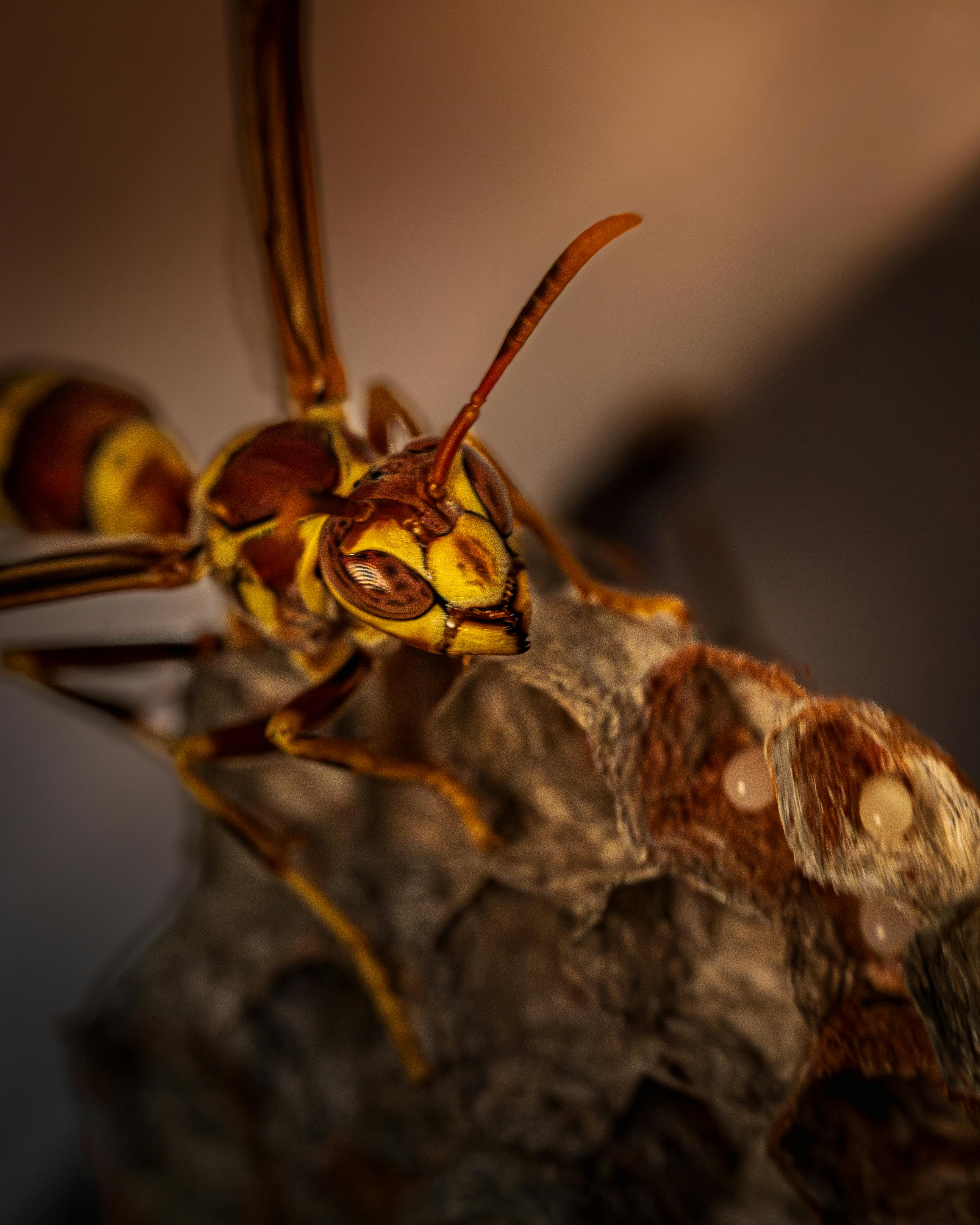
We only remove Polistes wasps from places we are already removing Hornets or Yellowjackets. They build the flat paper nests with an exposed honeycomb-like structure on the surface, have long dangly legs, and are commonly found on eaves.
We also collect honeybee swarms in the Springtime, and can remove established honeybee hives between the months of March and June. All honeybees collected will be organically managed for pollination and honey production.
If you ever happen upon a honeybee swarm or an established honeybee hive, DO NOT SPRAY IT! Give us a call!
What We Remove
Hornets
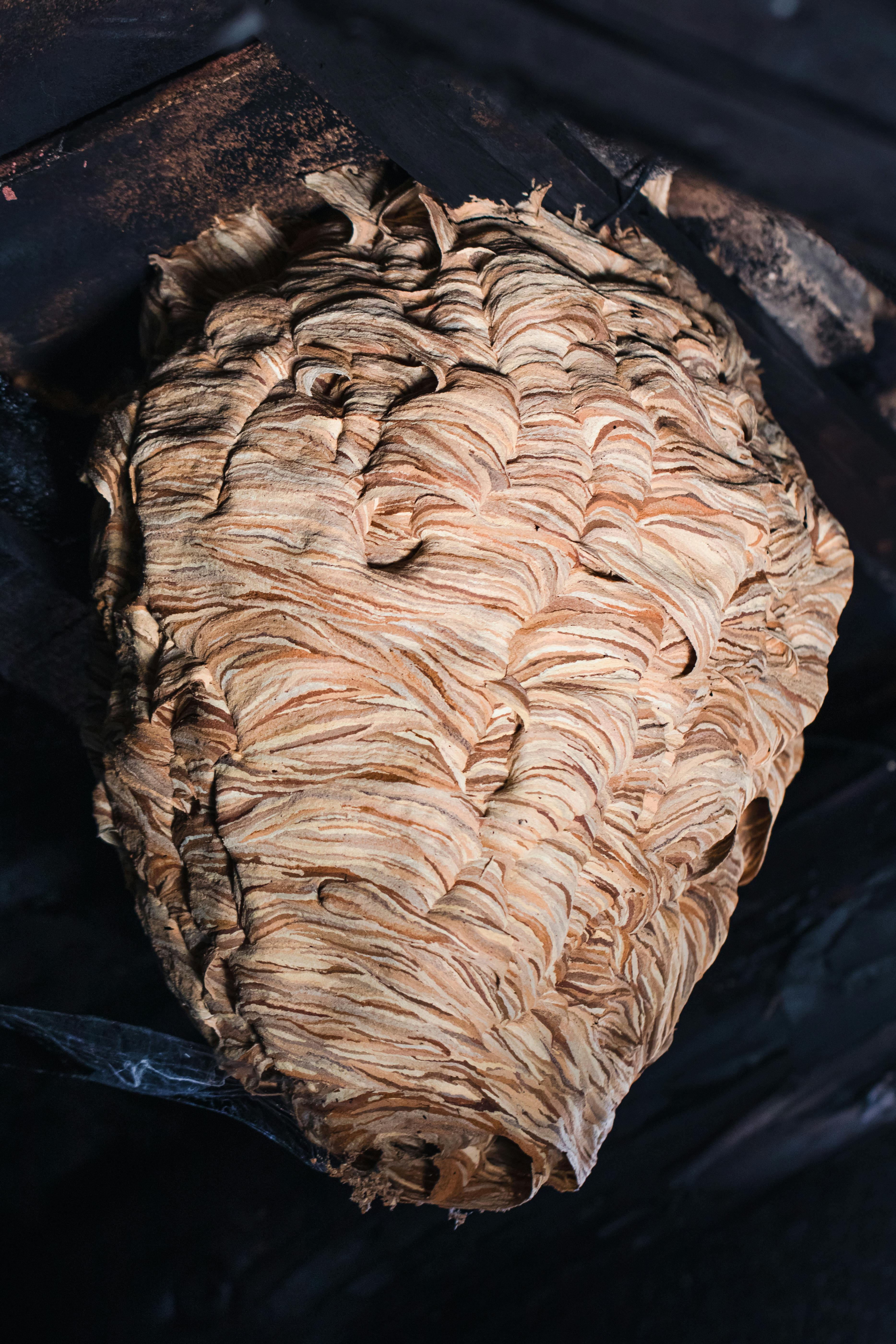
The two species of hornet we have around here are Dolichovespula maculata, the black and white “bald faced hornet” and Dolichovespula arenaria, also known as the aerial yellowjacket or yellow hornet. Both species build the characteristic large, hanging paper ball nest. We will gladly come remove your hornet nests free of charge, without the use of chemicals! These nests are worth our time to collect once they have reached the size of a cantaloupe or larger.
Yellow Jackets
There are several species of concealed nesting yellow jackets. At least six species live in our area, the most common being Vespula alascensis (the common yellowjacket) and Vespula pennsylvanica (the western yellowjacket). These yellow jackets all share the classic yellow and black pattern.
Wasps
Wasps of the genus Polistes are the most common type of paper wasp in North America. The European paper wasp, Polistes dominulus, was introduced into the US in the early 1980’s and has quickly spread throughout most of the country. It is the most prevalent wasp that we find in our area.
Honey Bees
The western honeybee, Apis mellifera, is the most common species of honeybee worldwide. They are eusocial, creating perennial colonies with a single fertile female (the queen), many non-fertilized females (the workers), and a small population of males (the drones). Individual colonies can house many tens of thousands of bees.
We Only Collect UNSPRAYED Nests
Insects that are treated with any pesticides or chemicals are not allowed for use in human allergy immunotherapy. Therefore, we will not collect nests that have been sprayed with anything or have been attempted to be exterminated in any way.
Oftentimes, spraying a nest with pesticides is not even effective in completely killing the colony. It is very easy to tell if nests have been sprayed, and we charge a service fee of $50 for travel expenses and will not remove the nest or insects if we arrive and find this to be the case.
Please, leave the nest alone and call us for free removal and cleanup.
Bumblebees and Solitary Bees
We are not your average exterminators!
Buzz Wranglers specializes in the FREE removal of live, UNSPRAYED hornet, yellowjacket, honeybee & wasp nests without the use of chemicals!
We remove exposed “paper ball” type nests as well as concealed or in-ground nesting species. The insects collected are sold to labs that extract their venom for use in allergy immunotherapy.
How Free Nest Removal Works
The Chemical-Free
Removal Process
Suit Up
We arrive in full protective gear.
Vacuum Capture
Live insects are collected with a non-lethal vacuum.
Venom Preservation
Insects are frozen for medical use.
Nest Removal & Cleanup
Nest and debris are safely cleared.
Hold the pesticides!
The exact areas covered depends on species needed, time of year, and particular insect populations which vary year to year.
We encourage you to contact us and give us the opportunity to collect your nest before attempting to use pesticides or chemicals to kill the nest.
Hornets and yellowjackets are not actually aggressive, just defensive in protecting their nests. If you can give them some space, they shouldn’t give you any trouble!
You can read all about the insects we collect and their annual lifecycles on the insect ID pages of our website.
Please tell your friends and family about our service!
We look forward to working with you this season!